
Energy supply chain
What is the energy supply chain?
Educational content
November 13, 2025
6 min read
In an ever-changing energy landscape, we give you a clear explanation of the energy supply chain, its components, challenges, and future trends.
The energy supply chain is the full journey energy takes — from extraction or generation to the end user. It involves multiple stages, including production, transportation, storage, distribution, and consumption. This chain underpins modern life, powering everything from homes and businesses to national infrastructure.
Understanding the energy supply chain is critical in a world increasingly focused on energy security, sustainability, and resilience. As global demand grows and climate challenges mount, managing this chain efficiently has never been more important.
What is the energy supply chain?
The energy supply chain refers to the end-to-end process that brings energy from its source to consumers. This includes fossil fuels (like oil and natural gas), nuclear power, and renewable sources (such as wind and solar). Each form of energy follows a structured path involving various systems, technologies, and regulatory checkpoints.
At its core, the energy supply chain has three main segments:
Upstream
Exploration, extraction, or generation of energy
Midstream
Transportation and storage
Downstream
Refining, distribution, and delivery to end users
Did you know?
These steps are reflected in our electricity bills. Meaning that when you pay your electricity provider, you not only pay for the energy you consume, but every other service and step around it, before you plug and use the electricity in your home. Learn more about understanding your electricity bill by listening to our In Short episode 2.
What are the key components of the energy supply chain?
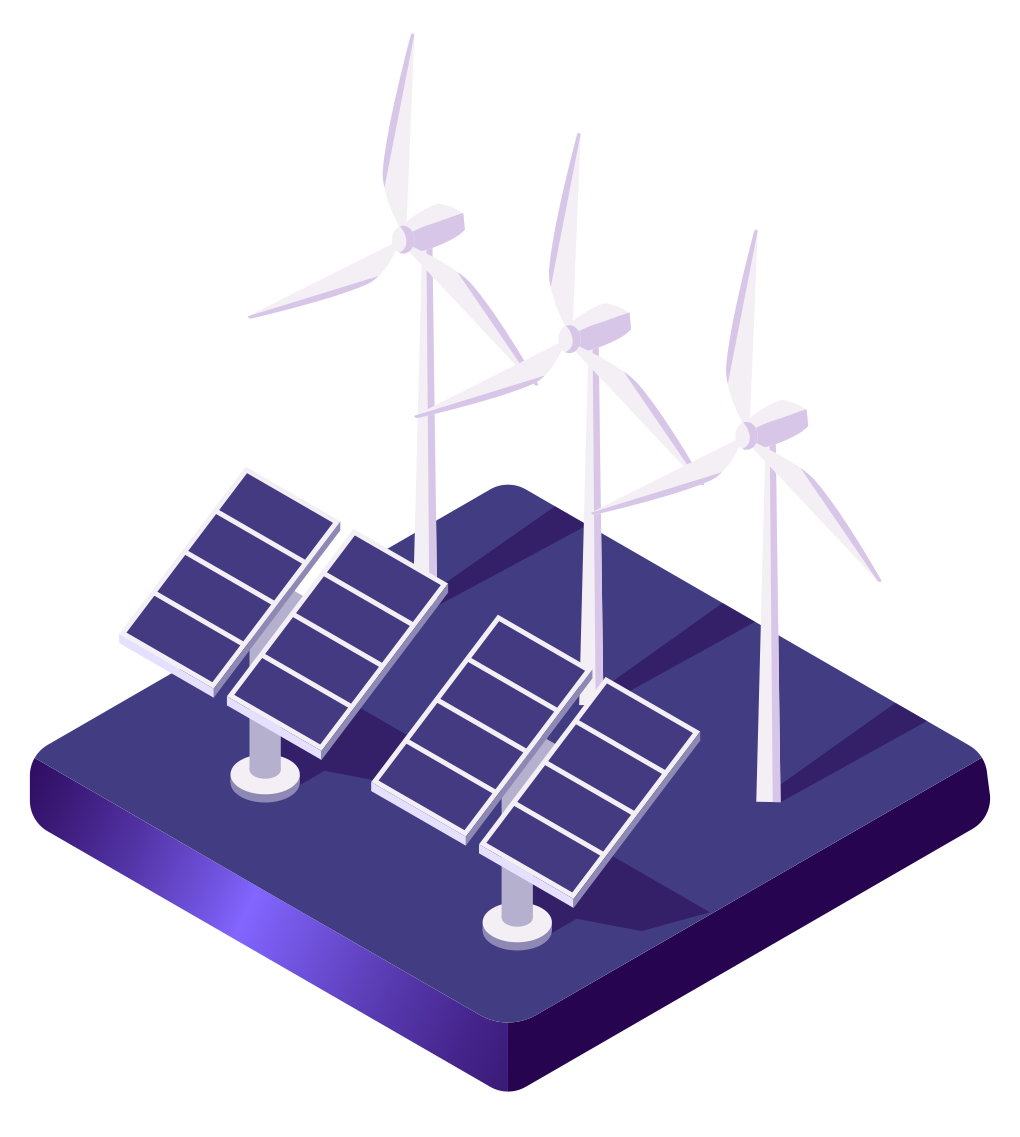
Energy production and extraction
This stage focuses on sourcing raw energy and it includes:
- Traditional energy sources: drilling for oil and gas or mining coal
- Renewable energy sources: operating wind farms, solar panels, or hydro plants
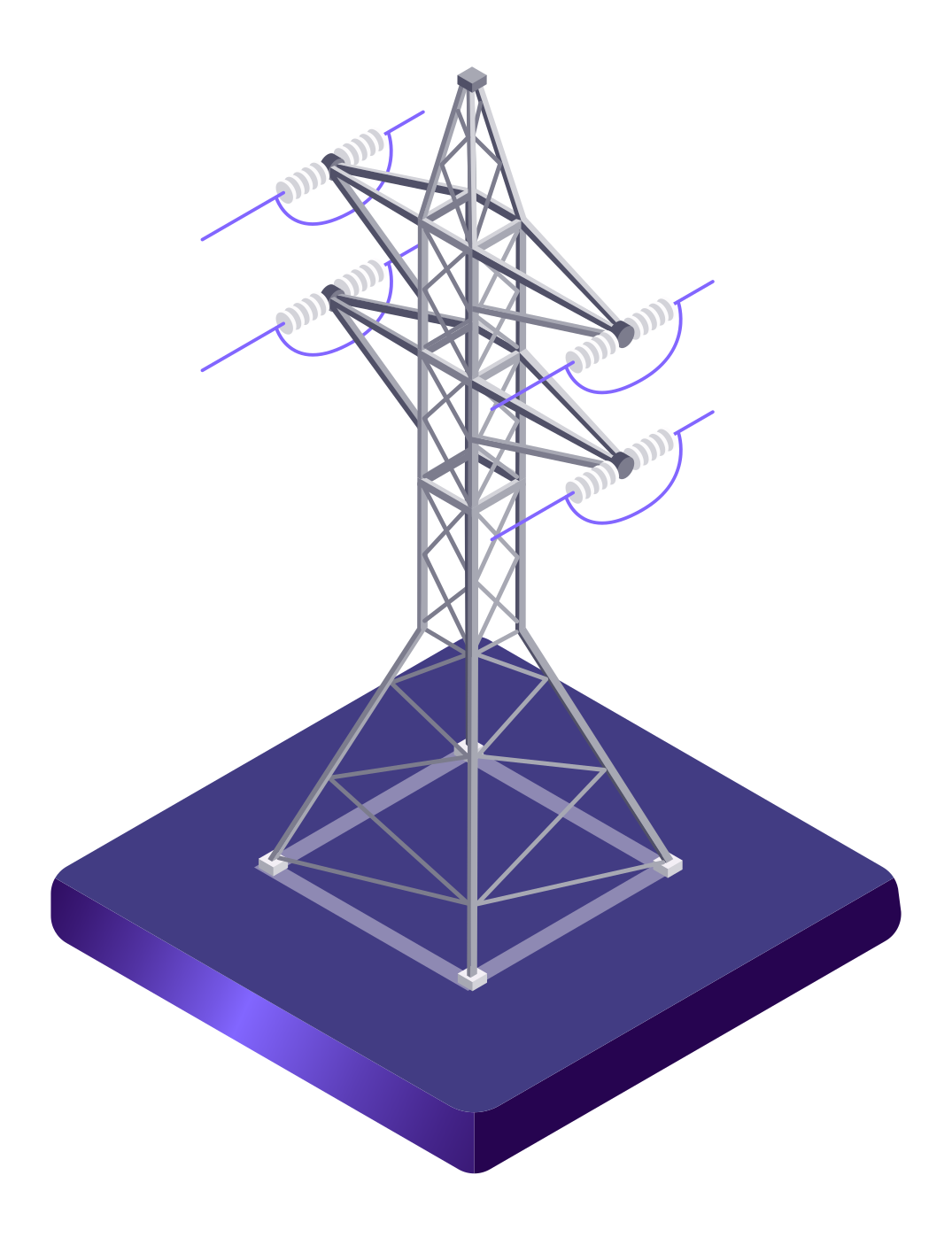
Transportation and transmission
Once energy is produced, it must be moved, often across long distances:
- Fossil fuels: transported via pipelines, ships, trucks, and trains
- Electricity: transmitted through high-voltage power lines and grid infrastructure
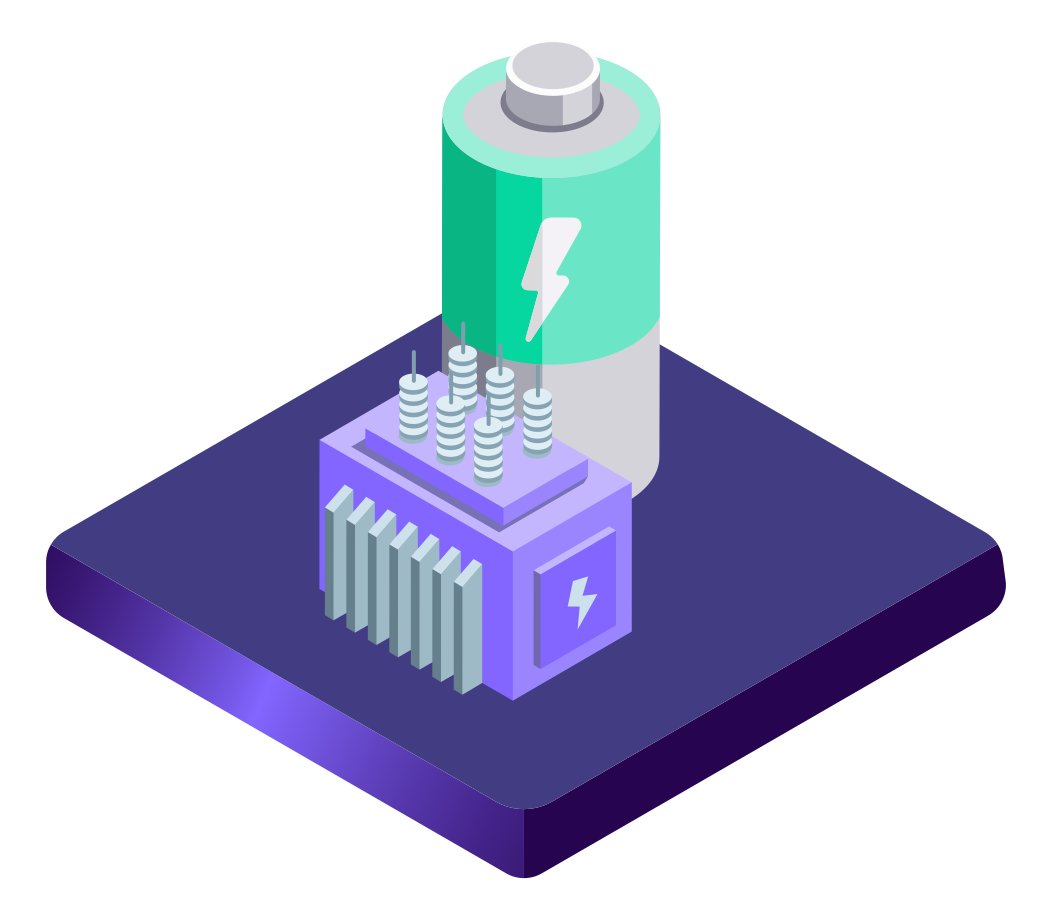
Storage
To ensure a consistent energy supply, storage plays a vital role:
- Fossil fuels: stored in tanks, caverns, or terminals
- Electricity: stored in batteries, pumped hydro systems, and other technologies
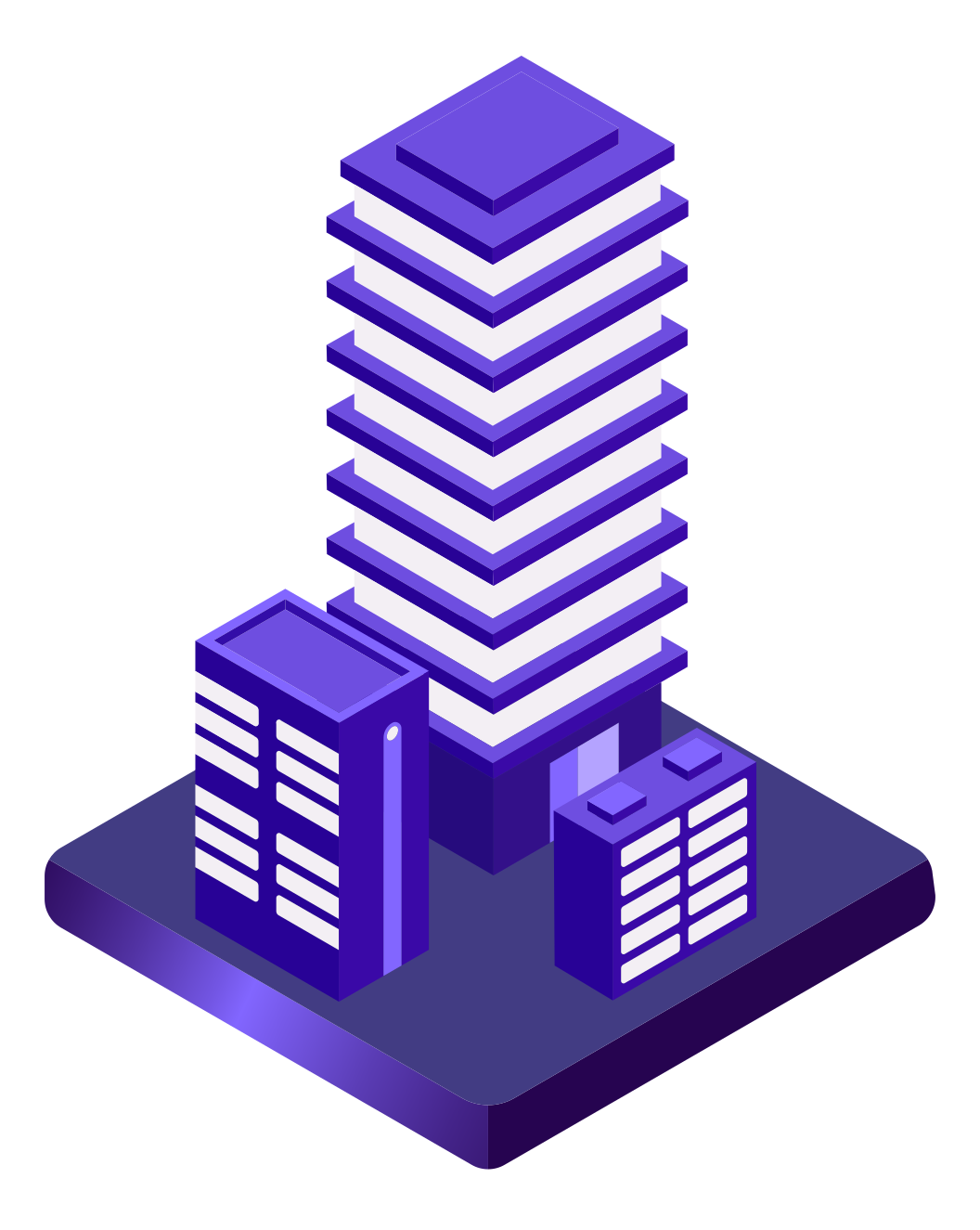
Distribution and delivery
This is where energy reaches its final destination:
- Distribution network: utilities manage power lines, substations, and local grids
- Delivery: retail energy providers ensure the power reaches homes and end users
Why does the energy supply chain matter?
An efficient and secure energy supply chain is critical to human life and activity. When electrification continues and interconnection is unavoidable, a resilient supply chain ensures:
Energy security
Reducing dependence on unstable regions or single sources
Economic stability
Keeping prices predictable and supplies reliable
Environmental sustainability
Integrating cleaner energy sources and reducing waste
Disruptions in the energy supply chain, such as the 2025 power shutdown in Spain and Portugal, and the Nord Stream pipeline explosions in 2022, are just two examples of how attacks, cyberattacks, transformer shortages, or geopolitical tensions can ripple through economies and affect millions.
What are the key challenges in the energy supply chain?
Managing the energy supply chain involves navigating several complex challenges:
Aging infrastructure
Many power grids and pipelines are decades old
Geopolitical risks
Conflicts can disrupt fuel supply routes
Market volatility
Prices of oil, gas, and metals can swing unpredictably
Climate impacts
Weather extremes can damage energy infrastructure
Cyber threats
Digital control systems are targets for cyberattacks
Legacy renewable infrastructure
Many renewable energy systems are constrained by outdated technology
As the global push for electrification accelerates, especially in transport and heating, these legacy systems risk becoming bottlenecks (source).
How can we tackle today’s energy supply chain challenges?
To overcome these hurdles, energy providers, governments, and OEMs are taking a multifaceted approach, because in a complex energy industry there is no simple or unique solution. So here are five approaches to face the challenges of the energy supply chain.
1. Modernizing legacy systems
Modernizing outdated components — especially transformers and grid integration hardware — is essential. However, global transformer procurement challenges are causing delays of 18–36 months in many markets.
2. Securing critical materials
Materials like lithium, cobalt, and rare earths are in high demand for clean energy tech. Supply could fall short by 50–60% by 2030 (McKinsey) unless diversified sourcing and recycling initiatives are scaled.
3. Enhancing visibility with digital tools
Using IoT and predictive maintenance helps manage aging infrastructure. More advanced supply chain visibility tools allow utilities to forecast shortages and respond faster.
4. Investing in local capacity
Countries are investing in domestic manufacturing of solar and wind components and port infrastructure for offshore wind. These efforts reduce reliance on volatile global supply chains.
5. Outsourcing and diversifying strategies
Many OEMs are increasingly outsourcing turbine maintenance and software services to reduce costs and focus on R&D. This can drive efficiency, but only when aligned with strategic sourcing principles to avoid over-dependence on any one vendor.
What are the future trends in the energy supply chain?
The energy supply chain is evolving rapidly. Electrification in an attempt to make the green energy transition happen is just one of the trends, that include:
Smart grids
Real-time energy management using sensors and analytics
Energy storage innovation
Better batteries, compressed air, and hydrogen storage
Green hydrogen
Emerging as a clean fuel for hard-to-decarbonize sectors
Blockchain for traceability
Improving transparency in the origin and usage of energy
Powershoring
A shift to localizing energy infrastructure for national resilience
AI-driven forecasting
Forecasting demand, optimizing generation, and streamlining the energy supply chain
Summary
What is the energy supply chain?
It’s the process that delivers energy from production to the end consumer, including extraction, transportation, storage, and distribution.
How does the energy supply chain work?
It starts with energy production (like drilling or generating electricity), moves through transportation and storage, and ends with delivery to users.
What are the main stages of the energy supply chain?
- Production and extraction
- Transportation
- Storage
- Distribution
Why is the energy supply chain important?
It ensures reliable energy access, economic stability, and supports environmental goals through clean energy integration.
Why is the energy supply chain critical infrastructure?
The energy supply chain is the backbone of modern civilization. As energy demand rises and the world shifts toward more sustainable systems, ensuring this supply chain is resilient, secure, and adaptable is more important than ever.
What are the main challenges in energy supply chains?
Aging infrastructure, geopolitical risks, cyber threats, and climate impacts are key risks to address.
How can the main challenges of the energy supply chain be addressed?
- Modernizing legacy systems
- Securing critical materials
- Enhancing visibility with digital tools
- Investing in local capacity
- Outsourcing and diversifying strategies