Grid analytics
Independent power grid analytics and fast grid connection assessments for early insights into capacity, constraints, and project potential
Are you getting the most value from your existing grid connection?
With grid capacity increasingly difficult to secure, an existing point of connection (PoC) can be a valuable asset in its own right. But its full potential may not be obvious.
We can analyze your existing connection, asset configuration and operating conditions to identify opportunities to make better use of the capacity already available. Finally, we can help modify your agreement with the DNO to secure additional capacity.
In our analysis, we check for:
-
Available capacity/additional generation
-
Co-location and curtailment
-
Storage/BESS opportunities
-
Future local grid upgrades
Need more MW for your data center? Hold on before
re-applying in the UK & Ireland?
When your data center needs more capacity, a new grid connection may seem like the obvious solution. But your existing connection may have more potential than you think. Differences between customer-owned equipment and the wider network can create opportunities to access additional capacity.
Let us assess your existing connection and provide a report with practical recommendations and clear next steps before you commit to a new connection.
Engineering recommendations
Practical recommendations based on the assessment findings
Clear next steps
Know what to take forward, what further action may be needed, and what to discuss with your NESO
Grid application support
Support with preparing and progressing your grid application
Power engineering expertise
Access to our wider Power Engineering team where additional expertise or studies are required
Struggling to qualify viable grid connections in the UK & Ireland?
Identifying viable connections is challenging, especially when faced with mounting competition and a lengthy, costly, and opaque connection system.
With clear insight into your connection options, you can move faster, reduce development risk, and focus your resources on projects with real potential.
Our report gives you early, site-specific visibility into several strategic areas.
-
Capacity
-
CapEX
-
Energy Yield (GWh) including curtailment
-
Realistic timelines
Resources & use cases


Press release
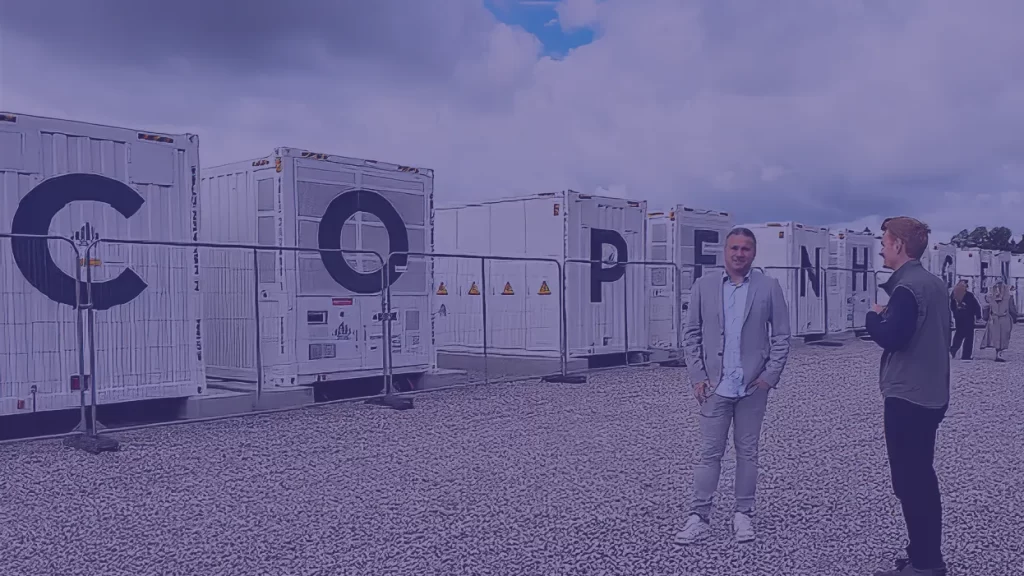
Opoura supports Copenhagen Energy’s Ringsted project with full-stack BESS delivery

Technical article
Engineering considerations for assessing available network capacity for data centers

FAQ
What are Gate 1 and Gate 2 for grid connections in Great Britain?
Under NESO’s (National Energy System Operator) reformed grid connection process in Great Britain, Gate 1 and Gate 2 represent different levels of project readiness. Gate 1 applies to projects that do not yet meet the requirements for a confirmed connection point. Gate 2 applies to more mature projects that meet NESO’s readiness criteria and can progress with a confirmed grid connection offer. Reaching Gate 2 is therefore a key step towards securing a viable grid connection in Great Britain.
How long do I have to respond to a NESO grid connection offer?
Once you receive a NESO grid connection offer, you typically have six weeks to review and respond to it. During this period, you need to assess whether the proposed connection date, location, costs, and technical requirements support a viable project.
This makes the six-week window an important decision-making period, where a clear understanding of both the grid connection and its impact on the project business case is essential.
What is the difference between a firm and non-firm grid connection?
A firm grid connection allows a project the right to import or export electricity up to its agreed capacity without routine curtailment due to network limitations. A non-firm connection allows the network operator to reduce or temporarily restrict that capacity when the grid is constrained. In return, non-firm connections can sometimes enable projects to connect sooner or where full firm capacity is not yet available.
For developers in Great Britain, this distinction is important when assessing project viability, expected revenues, and grid connection risk.
How is grid connection curtailment calculated for my energy project?
Curtailment levels in Great Britain depend on factors such as location, connection type, available grid capacity, network constraints, so tehre is no standard curtailment percentage that applies to every project.
Projects with a non-firm connection are generally more exposed to curtailment. Assessing likely curtailment early can help developers understand the potential impact on energy production, revenues, and the overall business case before committing to a grid connection.
Ready to turn grid complexity into a clearer path forward?